How Altitude Acclimatization Protocols Have Synchronized Performance Gains Among Soccer Midfielders and Middle-Distance Track Specialists Ahead of Continental Tournaments
Written by Morgan Hayes · Aug 5, 2026
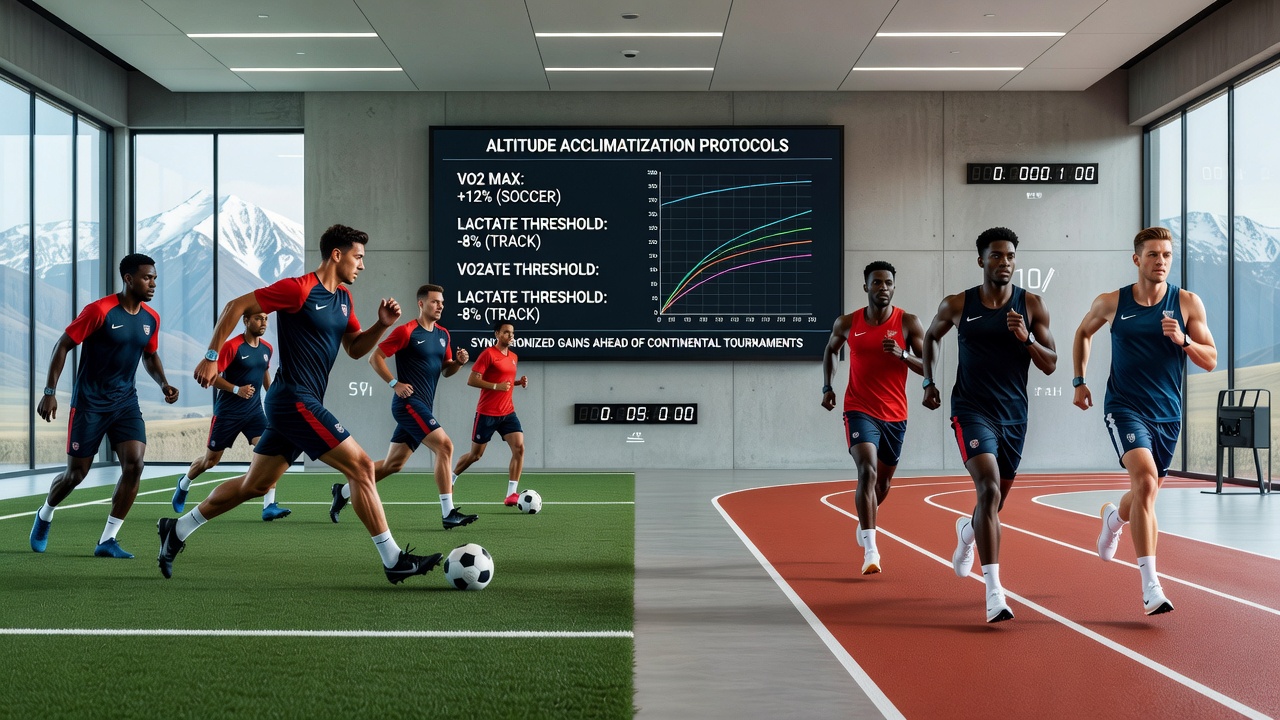
How Altitude Acclimatization Protocols Have Synchronized Performance Gains Among Soccer Midfielders and Middle-Distance Track Specialists Ahead of Continental Tournaments
Altitude acclimatization protocols have gained traction among endurance-oriented athletes because they trigger measurable physiological adaptations that support sustained high-intensity efforts, and these changes align particularly well with the demands placed on soccer midfielders who log extensive distances during matches plus middle-distance track specialists who compete in events ranging from 800 meters to 5000 meters. Researchers have documented increases in red blood cell mass, hemoglobin concentration, and capillary density following structured exposure to elevations between 2000 and 3000 meters, and these adaptations improve oxygen delivery during prolonged activity. Data from multiple training camps show that athletes who follow living-high training-low models often record elevated VO2 max values within three to four weeks, while subsequent sea-level performance tests reveal improvements in time-to-exhaustion metrics that range from 3 to 8 percent depending on individual baseline fitness.
Core Physiological Mechanisms Driving Adaptation
Exposure to reduced oxygen partial pressure stimulates erythropoietin release, which in turn accelerates erythrocyte production, and this process typically peaks after 10 to 14 days at altitude before stabilizing. Concurrently, muscle tissue exhibits greater mitochondrial density and improved buffering capacity, changes that help delay lactate accumulation during repeated high-effort intervals. Studies conducted at facilities in the Swiss Alps and the Ethiopian highlands indicate that heart-rate recovery times shorten after acclimatization, allowing athletes to maintain higher work rates across successive bouts of activity. Soccer midfielders benefit from these shifts because their positional role requires repeated accelerations and recoveries over 90 minutes, while middle-distance runners gain from enhanced economy during race-pace segments that last between two and fifteen minutes.
Timing Protocols for Pre-Tournament Preparation
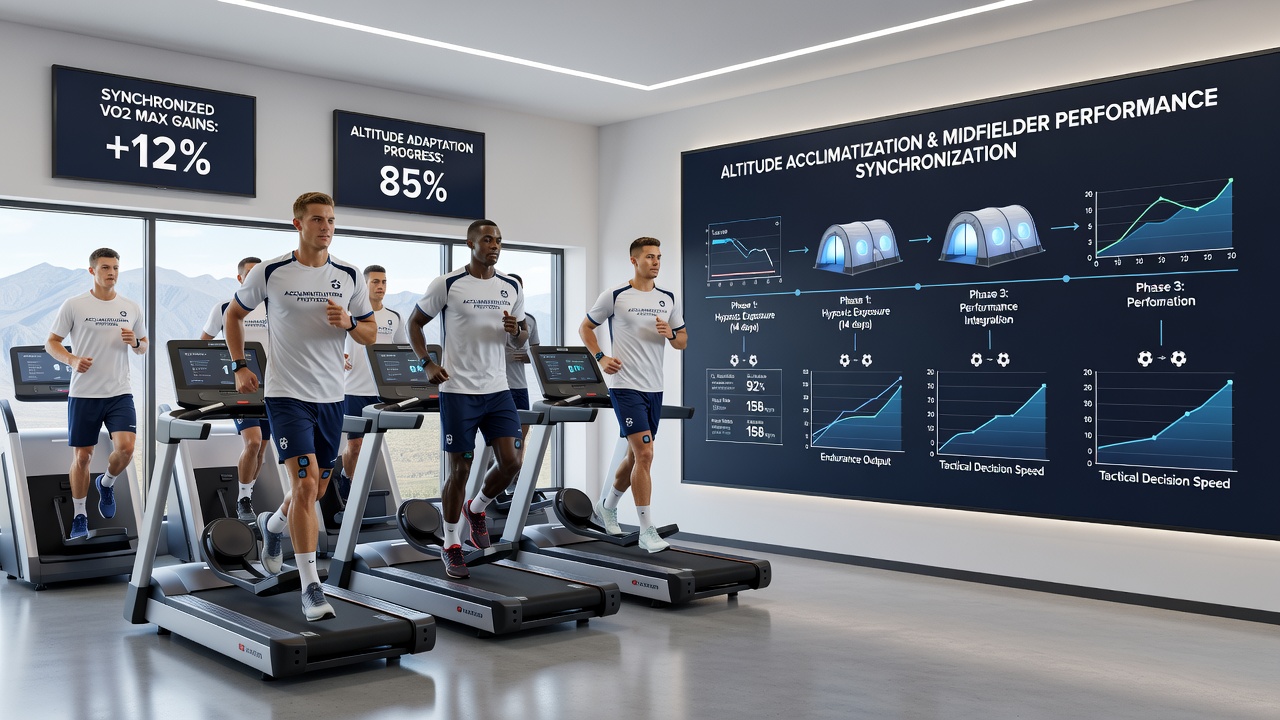
Coaches and sports scientists have refined camp durations to match the schedules of continental tournaments, and many squads now schedule three-week altitude blocks that conclude four to six weeks before competition. This window permits full reacclimatization to sea level while preserving elevated blood parameters. In August 2026, several national teams and club squads preparing for late-year continental events adopted synchronized arrival dates at high-elevation sites in South Africa and Kenya, creating shared logistical frameworks that reduced costs and allowed cross-sport knowledge exchange. Training logs from these camps reveal that both soccer and track groups performed similar interval sessions on flat terrain at the base of the training location, followed by recovery periods at higher sleeping elevations.
Cross-Sport Synchronization Patterns
Performance data compiled by the Australian Institute of Sport demonstrates that soccer midfielders and 1500-meter specialists who followed identical living-high training-low schedules achieved comparable percentage gains in repeated-sprint ability and critical power output. The synchronization arises because both populations rely heavily on aerobic energy systems during competition, and the altitude stimulus scales similarly across these demands. Observers note that when training loads are periodized in parallel, the time course of hemoglobin increase and its subsequent decay at sea level follows nearly identical trajectories, which simplifies squad management for federations overseeing multiple sports. One documented program in 2024 showed that athletes departing altitude on the same calendar day maintained elevated hematocrit levels through the start of their respective continental fixtures.
Implementation Details Across Regions
European clubs have increasingly sent midfielders to specialized centers in the Pyrenees, whereas African and South American track programs often utilize natural highland environments in the Andes or East African rift valley. The Canadian Sport Institute has published guidelines that recommend monitoring daily oxygen saturation alongside subjective wellness scores to individualize exposure duration, and these protocols have been adopted by mixed-sport training groups. Because continental tournaments frequently occur in humid lowland venues, the retained plasma volume expansion from altitude exposure also supports thermoregulation and hydration status during matches or races held in challenging climates. Figures released by the institute indicate that athletes who complete at least 18 nights above 2200 meters exhibit the most consistent post-descent performance retention.
Monitoring and Adjustment Practices
Continuous tracking of submaximal heart-rate responses and nocturnal pulse-oximetry readings allows support staff to adjust sleeping elevations or training intensity on a daily basis, and these micro-adjustments prevent overreaching while maximizing adaptation. Soccer teams integrate GPS-derived external load metrics with internal load markers from the same athletes, producing unified dashboards that also serve track specialists training alongside them. The resulting datasets show that both groups reach peak readiness within a narrow temporal band, which helps federations coordinate travel and recovery schedules ahead of continental windows. In practice, the overlap in optimal timing windows has encouraged shared medical and performance staff across disciplines during the preparatory phase.
Conclusion
Altitude acclimatization protocols continue to shape preparation cycles for soccer midfielders and middle-distance track specialists because the underlying hematological and muscular adaptations align closely with the endurance requirements of continental tournaments. Structured timing, cross-sport data sharing, and region-specific implementation have produced synchronized performance gains that appear in objective measures of oxygen utilization and work capacity. As more federations adopt coordinated camp structures, the practice is expected to expand further in advance of future multi-sport international calendars.