How Strategic Rest Cycles Influence Performance Peaks in Multi-Sport Athletes Transitioning Between Winter and Summer Events
Written by Greta Jung · Aug 15, 2026
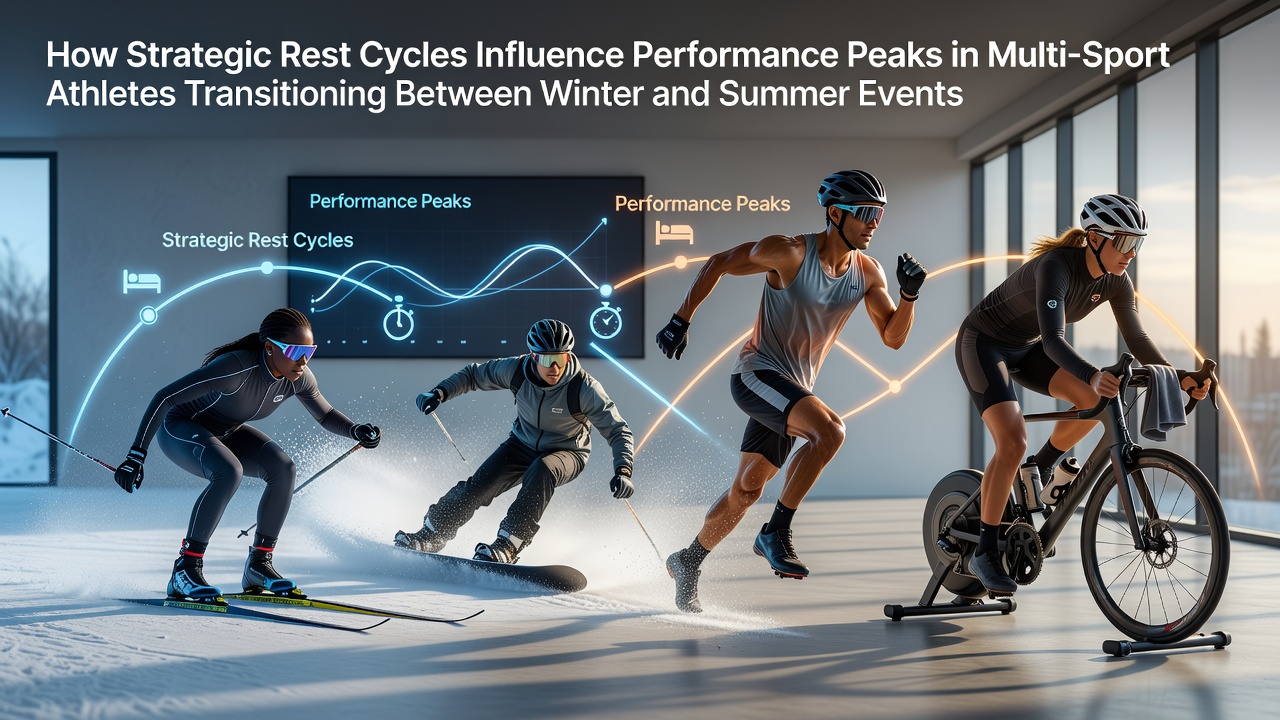
How Strategic Rest Cycles Influence Performance Peaks in Multi-Sport Athletes Transitioning Between Winter and Summer Events
Strategic rest cycles play a documented role in how multi-sport athletes manage the shift from winter disciplines such as cross-country skiing or biathlon to summer events like road cycling or distance running, and data from training logs show that structured downtime periods align with measurable gains in peak output during competition windows. Researchers tracking heart-rate variability and muscle recovery markers note that athletes who insert deliberate rest blocks of seven to fourteen days between seasonal phases often record faster return-to-peak times compared with those who maintain continuous high-volume loads.
Physiological Mechanisms Behind Seasonal Shifts
Endocrine studies indicate that prolonged winter training elevates cortisol levels while suppressing certain anabolic hormones, and a planned rest phase allows these markers to normalize before summer-specific workloads begin. Athletes who compete in both Nordic skiing circuits and triathlon seasons demonstrate improved lactate threshold readings when rest cycles include reduced neuromuscular stress, according to measurements collected by the Australian Institute of Sport. The transition window typically spans six to eight weeks, during which bone density, tendon stiffness, and aerobic base require recalibration to match new movement patterns.
Case Examples from Elite Training Programs
One documented program in Canada followed a group of athletes moving from alpine ski racing to mountain biking, and those who scheduled two separate five-day rest blocks within the transition period achieved higher average power outputs on bike ergometer tests by the start of the summer race calendar. In Europe, a cohort monitored through a research network linked to the IOC training registry showed similar patterns, where rest cycles timed around hormonal and sleep data produced steadier performance curves across multiple events. Observers note that athletes who ignore these intervals frequently report elevated injury rates in the first month of summer competition, particularly in load-bearing tissues that must adapt to different impact forces.
Timing and Monitoring Tools
Wearable devices now supply daily readiness scores that coaches use to adjust rest duration, and several national programs integrate blood biomarker panels every ten days during the transition. These tools help identify when an athlete has recovered sufficient neuromuscular function to resume high-intensity sessions without risking overtraining symptoms. Data collected ahead of the 2026 competitive calendar reveal that athletes who aligned rest cycles with individual biomarker trends maintained higher consistency in both winter and summer results than those following fixed calendar schedules.
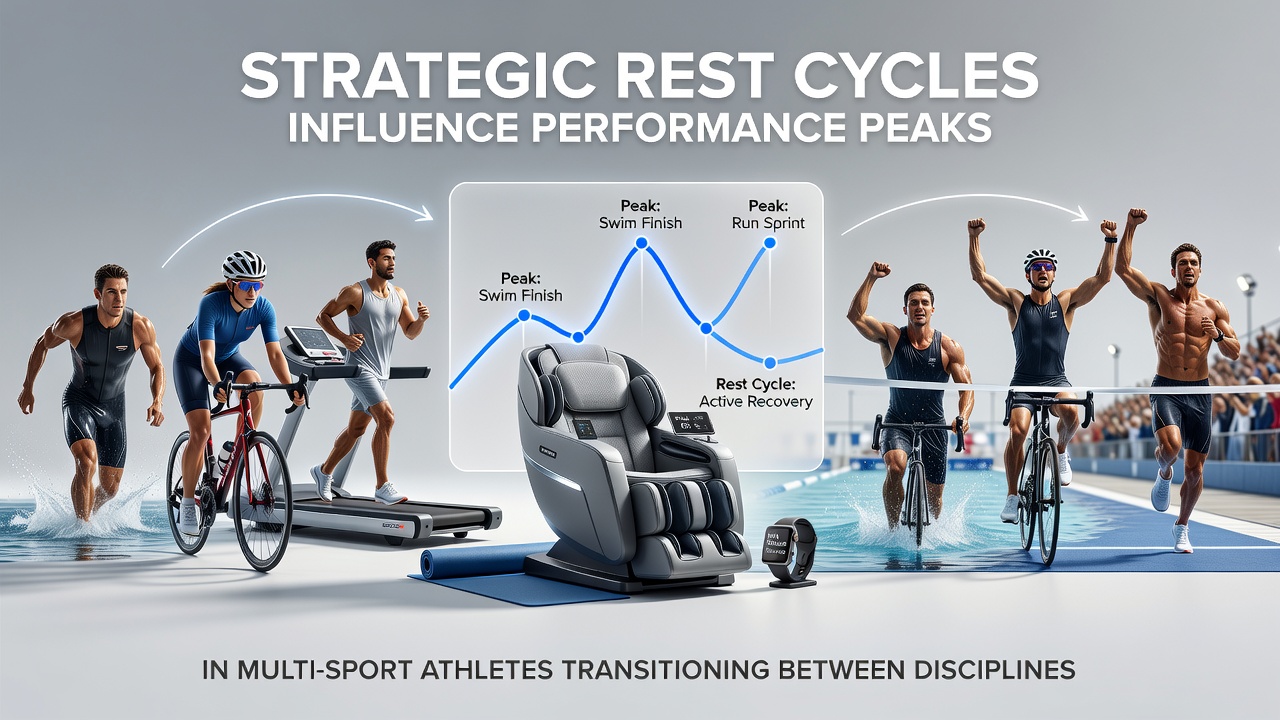
Integration with Periodization Models
Modern periodization frameworks treat rest cycles as active components rather than passive gaps, and software platforms now model these intervals alongside event calendars to forecast performance windows. Athletes transitioning from winter endurance sports to summer speed-based events often require additional emphasis on connective tissue recovery because the mechanical stresses differ substantially. Training logs from programs in Scandinavia and Australia illustrate that incorporating low-intensity active recovery days within rest cycles accelerates the return of sport-specific power metrics without extending overall downtime.
Long-Term Performance Trends
Longitudinal datasets spanning multiple Olympic cycles show that athletes who consistently apply strategic rest across seasonal transitions sustain career lengths five to seven years longer than peers who maintain year-round high loads. Performance peaks in August 2026 events, for instance, are expected to reflect preparation cycles that began with deliberate winter-to-summer rest blocks earlier in the year. These patterns emerge across both individual and team-supported programs where data sharing between winter and summer coaching staffs has become standard practice.
Conclusion
Evidence from multiple monitoring systems and training registries confirms that strategic rest cycles function as a measurable variable in performance outcomes for athletes moving between winter and summer sports. Structured downtime periods, when timed according to physiological indicators, correlate with improved recovery markers, reduced injury incidence, and more predictable peak timing across successive competitive seasons.