Nutrition Protocols Reshaping Recovery Timelines for Specialists Transitioning Between Individual and Team-Based Endurance Events
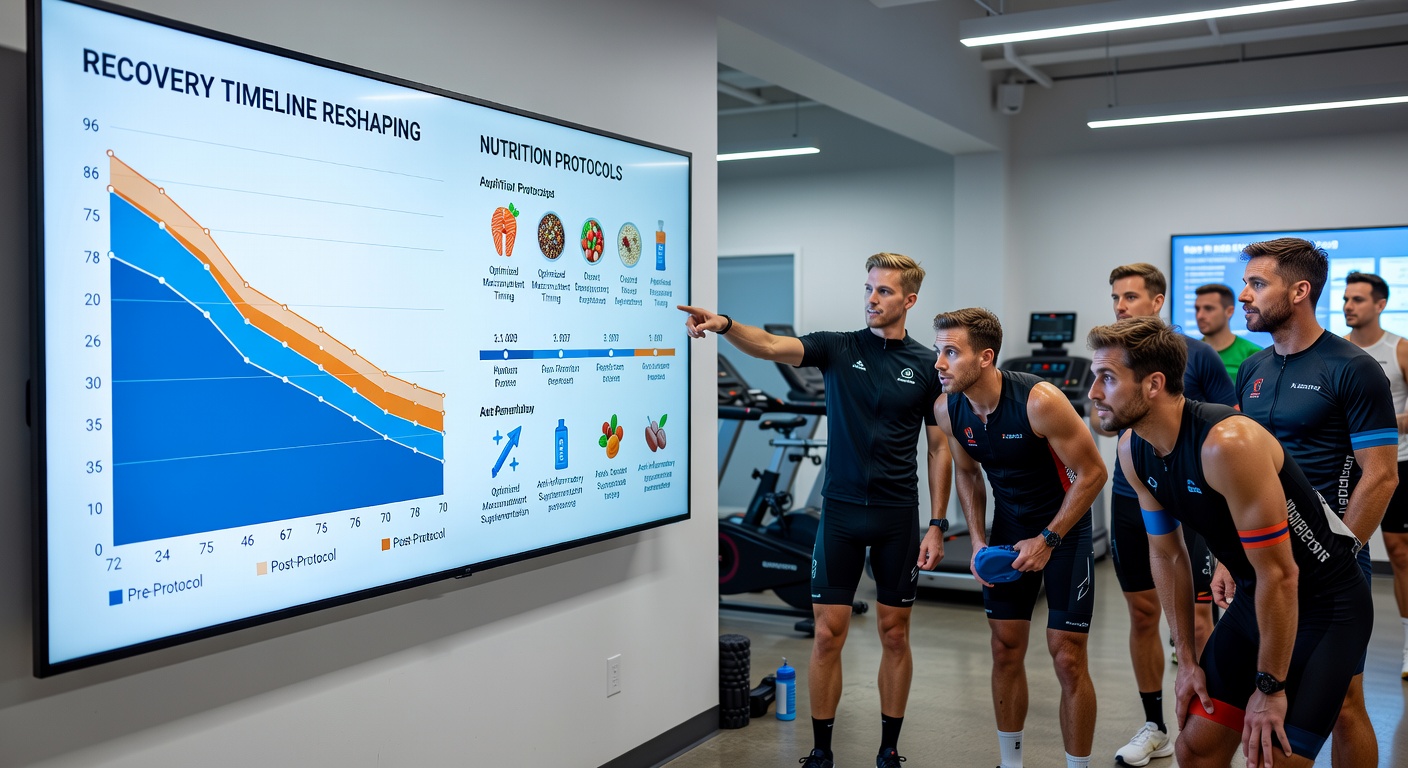
Specialists who move between solo endurance disciplines like marathon running and team formats such as cycling squads or rowing crews encounter distinct physiological demands that influence how quickly they regain peak performance. Nutrition protocols have emerged as a central factor in shortening these recovery windows according to data compiled by multiple research institutions. Athletes in this category often adjust macronutrient timing, hydration strategies and micronutrient intake to match the shift from self-paced efforts to synchronized group dynamics where pacing decisions depend on collective output.
Core Differences in Event Demands
Individual endurance events place primary emphasis on personal fuel management during prolonged solitary efforts whereas team-based formats introduce variables like drafting benefits in cycling or coordinated stroke rates in rowing that alter energy expenditure patterns. Researchers at institutions across North America and Europe have documented how these changes require recalibration of carbohydrate loading phases and post-event replenishment windows. Data from longitudinal tracking shows that athletes who fail to adapt intake schedules experience extended periods of elevated inflammation markers and delayed glycogen restoration.
Those transitioning frequently report that team environments accelerate certain aspects of fatigue because of the need to match external rhythms rather than internal cues alone. Protocols that incorporate periodized feeding around group training blocks help mitigate this by aligning protein synthesis windows with collective session structures. Evidence gathered through metabolic testing indicates measurable improvements in recovery speed when specialists integrate these adjustments consistently over multi-week cycles.
Key Elements of Updated Nutrition Approaches
Modern protocols emphasize precise carbohydrate periodization that accounts for both event type and transition frequency. Athletes increase intake of complex sources during team preparation phases to support higher overall training volumes while reducing simple sugar reliance during individual event tapers to stabilize blood glucose responses. Studies conducted by Australian research centers have shown that such targeted adjustments correlate with faster return-to-baseline levels of creatine kinase after mixed-schedule competitions.
Hydration strategies also evolve during transitions because team events often occur in pack formations that reduce individual wind resistance yet increase sweat rate variability due to group pacing. Specialists incorporate electrolyte monitoring tools that provide real-time feedback allowing them to adjust fluid intake without overhydration risks common in solo long-distance efforts. Micronutrient focus shifts toward magnesium and omega-3 fatty acids in higher volumes when moving into team settings where repetitive high-intensity bursts appear more frequently.
Measured Impacts on Recovery Timelines
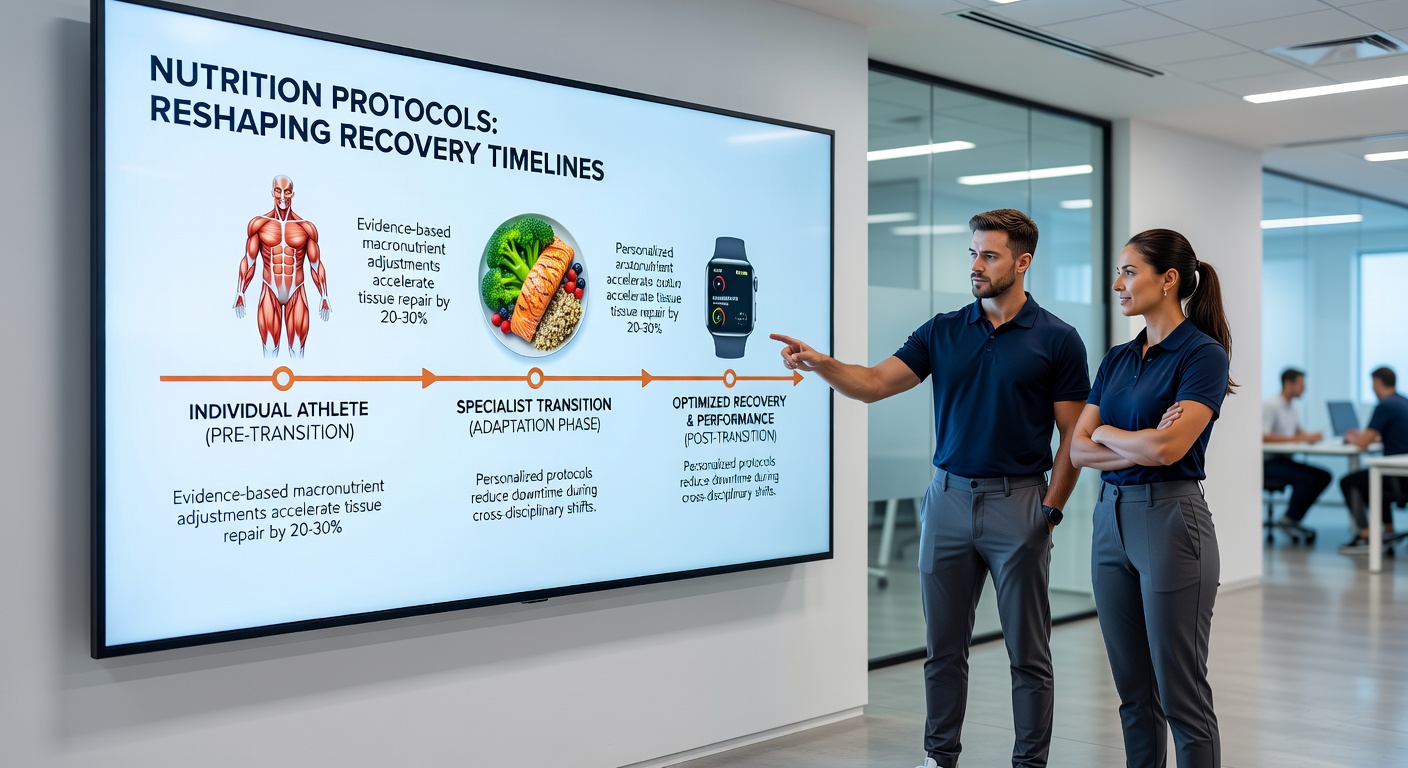
Tracking data from multiple cohorts reveals that structured nutrition interventions can compress recovery timelines by several days compared with standard approaches. Specialists who follow protocols emphasizing leucine-rich protein distribution across six daily feedings demonstrate quicker resolution of muscle soreness and improved subsequent performance metrics within 72 hours of event completion. Canadian sport science reports highlight similar patterns among athletes alternating between triathlon individual legs and team time trial formats.
What's interesting is how sleep quality interacts with these nutritional adjustments because recovery hormones respond directly to both macronutrient availability and circadian alignment. Athletes who time evening casein intake appropriately during team transition periods show enhanced overnight muscle repair rates according to polysomnography combined with blood sampling. This integration produces compounding effects that allow tighter scheduling between individual championship events adn team qualifiers without cumulative fatigue buildup.
Implementation Examples Across Regions
Programs developed in European training centers often combine collective meal planning sessions with individualized supplementation schedules to address the social and logistical aspects of team environments. Athletes receive guidance on maintaining consistent omega-3 ratios while adapting to shared kitchen facilities during training camps. North American approaches frequently incorporate continuous glucose monitoring during the first three weeks of any transition to fine-tune carbohydrate thresholds based on real-time metabolic responses.
One documented case involved a specialist moving from solo Ironman distances to team duathlon relays who achieved normalized inflammatory profiles within four days post-event after implementing a protocol centered on tart cherry extract timing and branched-chain amino acid pulsing. Such outcomes align with broader observations that early adaptation of feeding windows prevents the extended recovery lags previously common in this athlete population.
Emerging Data Trends Through 2026
Monitoring efforts initiated in early 2025 and continuing into May 2026 indicate sustained interest in personalized microbiome considerations within these protocols. Preliminary findings suggest that athletes who maintain stable gut flora diversity through transition periods exhibit more predictable recovery curves regardless of event format changes. Research groups in the United Kingdom and Scandinavia continue to explore how prebiotic fiber inclusion influences these outcomes at the elite level.
Technology integration plays an expanding role with wearable sensors feeding data directly into nutrition software that generates daily recommendations. Specialists receive alerts when their current intake patterns deviate from optimal recovery trajectories allowing proactive corrections before performance decrements appear. These systems draw on aggregated datasets from thousands of tracked sessions across both individual and team contexts.
Conclusion
Nutrition protocols tailored to the unique demands of transitioning between individual and team endurance events continue to demonstrate measurable effects on recovery speed and consistency. Athletes benefit from integrated approaches that address macronutrient timing, hydration precision and micronutrient support while accounting for the distinct social and physiological variables each format introduces. Ongoing research across multiple continents supports the refinement of these strategies as monitoring tools and understanding of individual responses advance.